Exploring the Essential Components of Golf Course Maintenance

Golf courses are meticulously designed landscapes where every blade of grass, every contour of the fairway, and every grain of sand in the bunkers plays a pivotal role in shaping the game’s experience. Behind the scenes, a dedicated team of greenkeeping professionals works tirelessly to ensure these outdoor arenas remain pristine, challenging, and enjoyable for players. Their efforts encompass a complex array of tasks, each critical to maintaining the course’s health, aesthetics, and functionality. This article delves into the essential components of golf course maintenance, highlighting the expertise and dedication required to keep these green spaces in top condition.
The Backbone of Golf: Greenkeeping Professionals
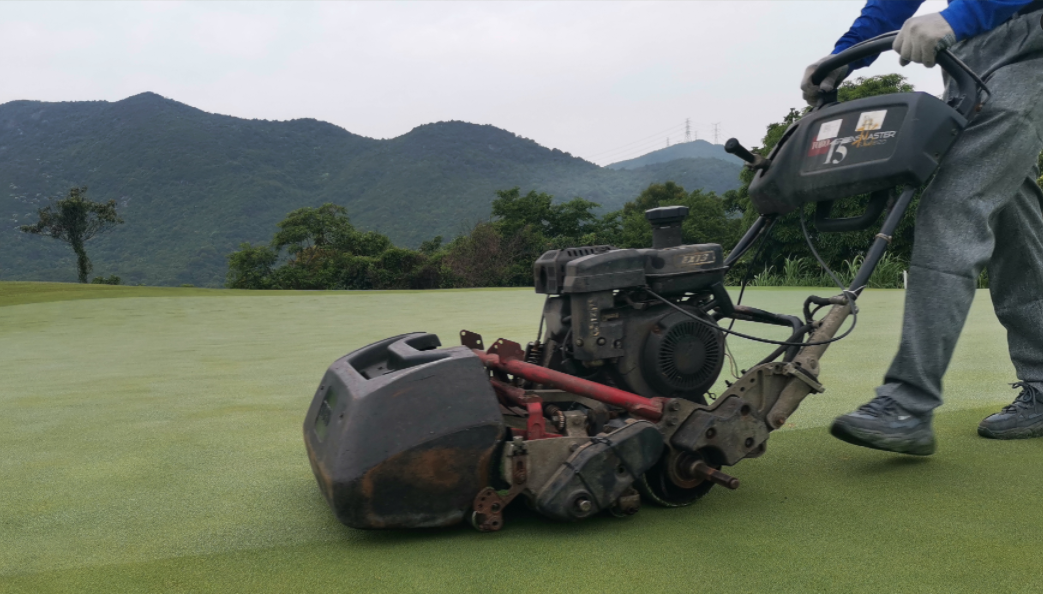
Greenkeeping is the cornerstone of every golf course, involving a blend of agronomic knowledge, technical skill, and relentless dedication. Greenkeepers are responsible for nurturing the turf, ensuring it remains healthy, vibrant, and capable of withstanding the demands of play. Their work goes beyond mere mowing; it involves understanding soil science, weather patterns, and course design principles to create an environment where grass thrives. By meticulously managing fairways, greens, and hazards, they transform the course into a dynamic playground that challenges golfers while preserving its natural beauty. Few realize the hours of labor and expertise that go into maintaining these spaces, yet their impact is undeniable—every smooth putt and precise shot hinges on their unseen efforts.
The Hidden Network: Irrigation Systems
One of the most critical yet least visible aspects of golf course maintenance is the irrigation system. Modern courses rely on sophisticated technology to deliver water with precision, ensuring every area receives the optimal amount. Beneath the surface lies an extensive network of underground pipes, valves, and thousands of sprinklers, each meticulously placed to cover specific zones. These systems are operated by advanced computer controls that adjust watering schedules based on real-time data from weather stations and soil sensors. The sprinklers themselves are engineered for versatility, allowing maintenance teams to fine-tune coverage areas, adjust water flow, and respond to dry spots or seasonal changes. Without this intricate infrastructure, maintaining consistent turf health would be nearly impossible, highlighting the irrigation system’s role as the lifeblood of course sustainability.
Precision Through Technology: Sensors and Data Collection
In today’s golf courses, data-driven decision-making is revolutionizing maintenance practices. On-site weather stations provide continuous updates on temperature, humidity, wind speed, and rainfall, while portable moisture meters enable staff to assess soil conditions across the course. More advanced setups incorporate buried sensors that monitor soil temperature, moisture levels, and salinity, transmitting data to central computers for analysis. This real-time feedback allows greenkeepers to tailor watering programs, optimize fertilizer application, and preemptively address issues like drought or erosion. By leveraging GPS mapping, maintenance teams can pinpoint problem areas with accuracy, ensuring resources are allocated efficiently. The integration of these technologies not only enhances turf quality but also promotes environmental stewardship by minimizing water waste.
The Command Center: Central Computer Systems
At the heart of modern irrigation lies the central computer, a powerful hub that orchestrates every aspect of water management. This system stores detailed information about each sprinkler’s location, performance, and maintenance history, enabling precise control over watering cycles. Operators can program specific scenarios, such as targeted irrigation for dry patches or timed watering during fertilizer application. The computer’s ability to process data from sensors and weather stations empowers greenkeepers to make informed adjustments, ensuring uniformity across the course. Whether responding to sudden weather shifts or planning long-term maintenance strategies, the central computer serves as the brain of the operation, driving efficiency and consistency in every decision.
A Symphony of Expertise: The Greenkeeper’s Role
Ultimately, golf course maintenance is a harmonious blend of human skill and technological innovation. Greenkeepers act as custodians of the course’s integrity, combining their deep understanding of agronomy with the tools at their disposal. From diagnosing soil health to calibrating sprinklers, their work demands vigilance, adaptability, and a passion for perfection. The result is a living landscape that evolves with the seasons, offering golfers a seamless experience where every shot counts. As players enjoy the challenge and beauty of the course, it’s the greenkeepers’ unseen labor—rooted in science, technology, and dedication—that truly makes the game shine.
Why Mowing Height Matters in Golf Maintenance Strategies
Elevate Your Golf Course: The Power of Liquid Fertilizers for Greens
Related Article