Creating and Maintaining Resilient Golf Course Turf: A Comprehensive Guide
In the world of golf, the quality of the playing surface is paramount. A well-maintained golf course not only enhances the player experience but also ensures the longevity and sustainability of the facility. Resilient turfgrass, capable of withstanding heavy foot traffic, adverse weather conditions, and pests, is essential for maintaining a high-quality golf course. This guide explores the strategies and techniques for creating and maintaining resilient golf course turf, focusing on species selection, cultural practices, and innovative approaches to turf management.

Understanding the Importance of Resilient Turfgrass
Resilient turfgrass is characterized by its ability to recover quickly from wear and tear, resist diseases and pests, and adapt to varying environmental conditions. On a golf course, where the turf is subjected to constant use from golfers, maintenance equipment, and natural elements, resilience is critical. A resilient turfgrass stand ensures consistent playability, reduces downtime for repairs, and minimizes the need for chemical inputs, making it environmentally and economically sustainable.
The benefits of resilient turfgrass extend beyond the immediate playing surface. It contributes to the overall aesthetic appeal of the golf course, enhances water infiltration and soil health, and supports biodiversity by providing habitat for beneficial organisms. Moreover, resilient turfgrass can reduce maintenance costs by requiring less irrigation, fertilization, and pesticide applications, making it a smart choice for golf course managers looking to optimize their resources.
Selecting the Right Turfgrass Species
Bermuda Grass: The Workhorse of Golf Courses
Bermuda grass (Cynodon dactylon) is one of the most popular and resilient turfgrass species used on golf courses, particularly in warmer climates. Its excellent heat and drought tolerance, along with its ability to withstand heavy foot traffic, make it ideal for tees, fairways, and roughs. Bermuda grass forms a dense, even turf that allows for smooth ball roll, enhancing the playing experience.
One of the key advantages of Bermuda grass is its rapid growth rate, which enables quick recovery from wear and tear. This characteristic is particularly beneficial on high-traffic areas like tee boxes and fairways, where the turf is frequently subjected to golfers' footsteps and maintenance equipment. Additionally, Bermuda grass's deep green color provides an aesthetically pleasing backdrop for the game, enhancing the overall visual appeal of the golf course.
Zoysia Grass: A Versatile Option
Zoysia grass (Zoysia spp.) is another resilient turfgrass species that is gaining popularity on golf courses. It is known for its excellent wear tolerance, drought resistance, and ability to thrive in a wide range of soil types. Zoysia grass forms a dense, low-growing turf that is ideal for fairways and roughs, where durability and resilience are paramount.
One of the unique features of Zoysia grass is its ability to tolerate shade, making it suitable for courses with tree-lined fairways or shaded areas. This adaptability allows golf course managers to maintain consistent turf quality across the entire course, even in challenging environmental conditions. Additionally, Zoysia grass's slow growth rate reduces the need for frequent mowing, further lowering maintenance costs.
Fescue Grass: A Cool-Season Alternative
For golf courses in cooler climates, fescue grass (Festuca spp.) is a resilient option that provides excellent wear tolerance and disease resistance. Fescue grass is particularly well-suited for fairways and roughs, where its fine texture and deep root system contribute to its resilience. It can withstand heavy foot traffic and recover quickly from divots and ball marks, ensuring consistent playability throughout the season.
One of the key benefits of fescue grass is its ability to thrive in a variety of soil conditions, including sandy and clay soils. This adaptability makes it a versatile choice for golf courses with diverse soil types. Additionally, fescue grass's low maintenance requirements, including reduced irrigation and fertilization needs, make it an environmentally friendly option for sustainable golf course management.
Cultural Practices for Maintaining Resilient Turfgrass
Proper Mowing Techniques
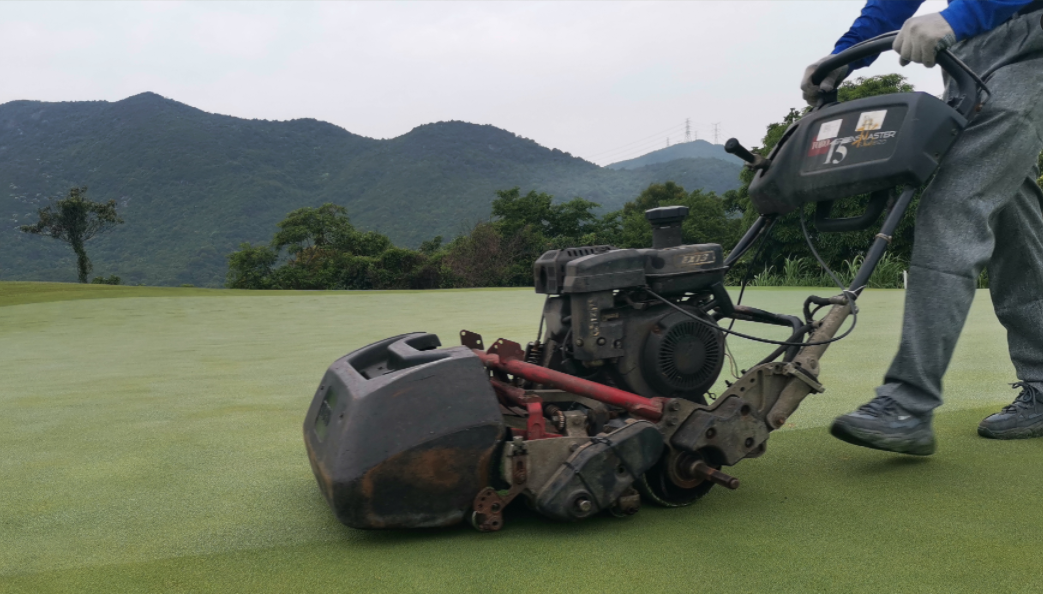
Mowing is a critical cultural practice that directly impacts the resilience and health of turfgrass. The frequency and height of mowing should be tailored to the specific turfgrass species and the area of the course being maintained. For example, Bermuda grass on tees and fairways should be mowed at a height of 0.15 to 0.2 inches to ensure smooth ball roll, while fescue grass in roughs can be mowed slightly higher to promote deeper root growth and wear tolerance.
Regular mowing helps maintain a dense turf canopy, which reduces weed competition and enhances the turf's ability to recover from wear. It also promotes even growth and prevents scalping, which can weaken the turf and make it more susceptible to diseases and pests. Additionally, using sharp mower blades ensures clean cuts, minimizing stress on the turf and promoting faster recovery.
Efficient Irrigation Management
Water is a critical resource for maintaining resilient turfgrass, and efficient irrigation management is essential for optimizing water use and promoting deep root growth. Overwatering can lead to shallow root systems, making the turf more susceptible to drought and wear, while underwatering can cause stress and reduce resilience.
Modern irrigation systems, such as smart controllers and soil moisture sensors, can help golf course managers optimize watering schedules based on real-time weather data and soil conditions. These systems ensure that the turf receives the right amount of water at the right time, promoting deep root growth and reducing water waste. Additionally, implementing drought-tolerant turfgrass species and using drought-resistant cultivars can further enhance water efficiency and resilience.
Balanced Fertilization Practices
Fertilization is another key cultural practice that directly impacts the health and resilience of turfgrass. A balanced fertilization program provides essential nutrients, such as nitrogen, phosphorus, and potassium, that promote vigorous growth, deep root development, and disease resistance. However, over-fertilization can lead to excessive growth, making the turf more susceptible to diseases and pests, while under-fertilization can result in weak, thin turf that is less resilient.
Soil testing is a critical tool for developing a balanced fertilization program. By analyzing soil samples, golf course managers can determine nutrient deficiencies and adjust fertilization rates accordingly. Additionally, using slow-release fertilizers ensures a steady supply of nutrients over time, promoting consistent growth and reducing the risk of nutrient leaching. Implementing organic matter additions, such as compost or biochar, can further enhance soil health and nutrient availability, supporting resilient turfgrass growth.
Integrated Pest Management (IPM)
Pests, including insects, diseases, and weeds, can significantly impact the resilience and health of turfgrass. Integrated Pest Management (IPM) is a holistic approach that combines cultural, biological, and chemical control methods to manage pests effectively while minimizing environmental impact.
Cultural practices, such as proper mowing, irrigation, and fertilization, can create unfavorable conditions for pests and promote healthy turfgrass growth. Biological control methods, such as introducing beneficial insects or using microbial inoculants, can help manage pests naturally. Chemical control should be used as a last resort, with targeted applications of pesticides based on pest monitoring and thresholds. By implementing IPM, golf course managers can maintain resilient turfgrass while reducing reliance on chemical inputs.
Innovative Approaches to Turfgrass Resilience
Native Turfgrass Polycultures
Recent research has explored the use of native turfgrass polycultures as an innovative approach to enhancing resilience and sustainability on golf courses. Native turfgrass species, such as buffalo grass (Bouteloua dactyloides) and blue grama grass (Bouteloua gracilis), have demonstrated excellent drought tolerance, low nutrient requirements, and adaptability to local environmental conditions.
By combining multiple native turfgrass species in polycultures, golf course managers can create diverse and resilient turf stands that are more resistant to pests, diseases, and environmental stress. Polycultures also promote biodiversity, supporting beneficial organisms and enhancing ecosystem services. Additionally, native turfgrass polycultures can reduce maintenance costs by requiring less irrigation, fertilization, and pesticide applications, making them a sustainable choice for golf course management.
Overseeding with Cool-Season Grasses
Overseeding with cool-season grasses, such as perennial ryegrass (Lolium perenne) or Kentucky bluegrass (Poa pratensis), is a common practice in transition zones where warm-season turfgrass species may struggle during cooler months. This technique ensures year-round playability and enhances turf resilience by providing a dense, wear-resistant cover during periods of stress.
Overseeding should be timed carefully to allow the cool-season grasses to establish before the onset of cold weather. Proper seed selection, seeding rates, and cultural practices, such as irrigation and fertilization, are essential for successful overseeding. By implementing overseeding, golf course managers can maintain resilient turfgrass throughout the year, ensuring consistent playability and customer satisfaction.
Sustainable Turfgrass Management Practices
Sustainability is becoming increasingly important in golf course management, and resilient turfgrass plays a key role in achieving environmental and economic sustainability. Sustainable turfgrass management practices include reducing water use through efficient irrigation systems, minimizing chemical inputs through IPM, and enhancing soil health through organic matter additions and cover cropping.
Additionally, implementing renewable energy sources, such as solar-powered irrigation systems, can further reduce the environmental footprint of golf courses. By adopting sustainable practices, golf course managers can create resilient turfgrass stands that are environmentally friendly, economically viable, and socially responsible.
Conclusion
Creating and maintaining resilient golf course turf requires a comprehensive approach that combines species selection, cultural practices, and innovative management techniques. By choosing the right turfgrass species, implementing proper mowing, irrigation, fertilization, and pest management practices, and embracing innovative approaches like native turfgrass polycultures and overseeding, golf course managers can ensure consistent playability, reduce maintenance costs, and enhance sustainability.
Resilient turfgrass is not just about aesthetics; it's about creating a sustainable and enjoyable golf experience for players while minimizing environmental impact. As the golf industry continues to evolve, prioritizing resilient turfgrass management will be essential for ensuring the long-term success and viability of golf courses worldwide. By investing in resilient turfgrass, golf course managers can create a legacy of excellence, sustainability, and customer satisfaction for generations to come.
What Is It Like to Maintain a Golf Course in Winter?
The Green Challenge: How Climate Change Reshapes Golf Course Turf Quality
Related Article