The Art of Daily Golf Course Maintenance: Crafting Nature’s Masterpiece
Golf courses are more than just sprawling landscapes; they are meticulously designed arenas where nature and human precision intertwine. Behind every fairway, green, and bunker lies a symphony of daily maintenance efforts that ensure these courses remain pristine, challenging, and visually stunning. Daily golf course maintenance is a blend of science, artistry, and unwavering dedication, transforming ordinary land into a golfer’s paradise. This article delves into the intricate world of daily golf course maintenance, exploring its components, techniques, challenges, and the pivotal role it plays in enhancing the golfing experience.

Understanding the Scope of Daily Golf Course Maintenance
Daily golf course maintenance encompasses a comprehensive array of tasks aimed at preserving and enhancing the course’s condition. These tasks are not just about aesthetics; they are about ensuring the course is playable, safe, and environmentally sustainable. Maintenance staff, often unsung heroes, work tirelessly to address various elements of the course, from the turfgrass to the hazards and water features.
Turfgrass Management: The Foundation of Golf Courses
Turfgrass is the lifeblood of any golf course, providing the playing surface for golfers. Daily maintenance of turfgrass involves several critical tasks:
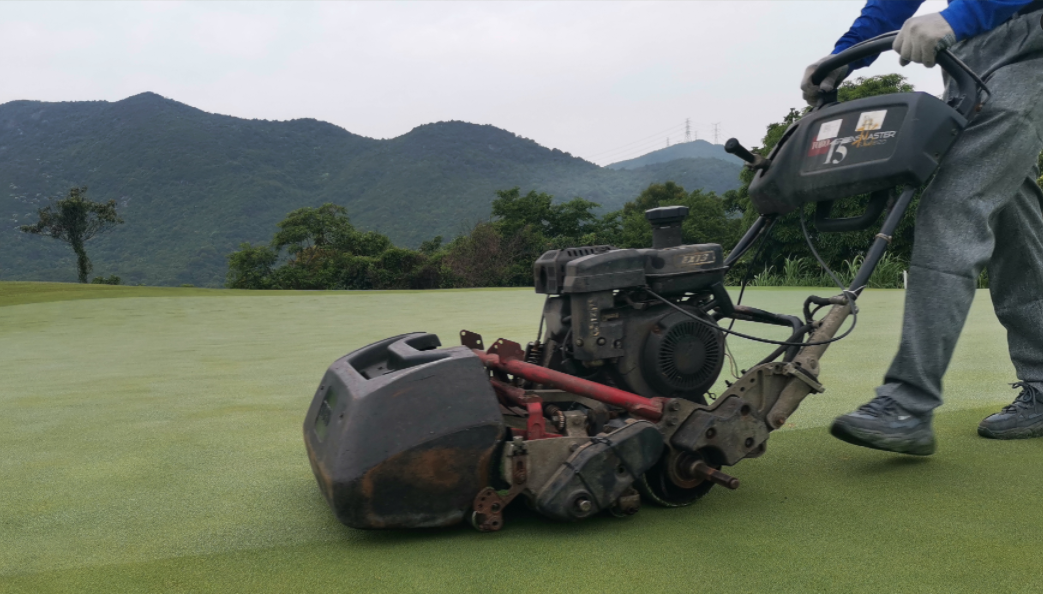
- Mowing: Different areas of the course require varying mowing frequencies and heights. Greens, tees, and fairways are mowed daily to maintain optimal playability and appearance. Mowing heights are adjusted based on grass type, weather conditions, and desired playing characteristics.
- Fertilization: Turfgrass needs essential nutrients to thrive. Daily maintenance includes monitoring soil health and applying fertilizers as needed to promote healthy growth, color, and density.
- Irrigation: Proper watering is crucial for maintaining turfgrass health. Daily irrigation management involves assessing soil moisture levels, adjusting sprinkler systems, and ensuring even water distribution to prevent dry spots or overwatering.
- Aeration: Over time, soil can become compacted, hindering water infiltration and root growth. Daily maintenance includes planning and executing aeration schedules to relieve compaction and improve soil health.
- Pest and Disease Control: Turfgrass is susceptible to pests and diseases that can damage the playing surface. Daily monitoring and timely application of treatments are essential to prevent outbreaks and maintain turf integrity.
Bunkers and Hazards: Adding Challenge and Beauty
Bunkers and other hazards are integral to the strategic design of golf courses. Daily maintenance of these areas involves:
- Raking Bunkers: After each round of play, bunkers are raked to restore their original condition, ensuring fair play and a consistent challenge for golfers.
- Edging and Cleaning: Bunker edges are trimmed to maintain sharp lines, and any debris or litter is removed to enhance the course’s aesthetic appeal.
- Maintaining Sand Quality: The sand in bunkers must be kept clean, dry, and free from contaminants. Daily maintenance includes adding fresh sand as needed and ensuring proper drainage to prevent waterlogging.
Water Features: Enhancing Visual Appeal and Ecology
Water features such as ponds, lakes, and streams add beauty and ecological value to golf courses. Daily maintenance of these areas involves:
- Cleaning Debris: Leaves, algae, and other debris are regularly removed from water surfaces to maintain clarity and prevent blockages in irrigation systems.
- Monitoring Water Quality: Regular testing of water quality ensures that it meets environmental standards and does not pose health risks to golfers or wildlife.
- Maintaining Banks and Edges: The banks and edges of water features are trimmed and stabilized to prevent erosion and maintain a neat appearance.
Tees and Fairways: Ensuring Playability and Aesthetics
Tees and fairways are the primary playing areas for golfers. Daily maintenance of these zones includes:
- Mowing and Trimming: Tees and fairways are mowed daily to maintain optimal playing conditions. Trimming along edges ensures a clean and well-defined look.
- Fertilization and Pest Control: Similar to greens, tees and fairways require regular fertilization and pest control to promote healthy growth and prevent damage.
- Divot Repair: After each round, divots (areas where grass has been removed by golf shots) are repaired to restore the playing surface and maintain consistency.
Greens: The Heart of the Golf Course
Greens are the most critical and meticulously maintained areas of a golf course. Daily maintenance of greens involves:
- Precision Mowing: Greens are mowed daily at very low heights to ensure smooth and fast putting surfaces. Mowing patterns are often alternated to prevent grain and ensure uniform ball roll.
- Topdressing: A thin layer of sand is applied to greens periodically to smooth the surface, improve drainage, and promote healthy grass growth.
- Aeration and Verticutting: Regular aeration and verticutting help relieve compaction, remove thatch, and promote root growth, ensuring the greens remain firm and true.
- Pest and Disease Monitoring: Greens are closely monitored for pests and diseases, and immediate action is taken to prevent outbreaks that could damage the putting surface.
Techniques and Best Practices in Daily Golf Course Maintenance
Effective daily golf course maintenance relies on a combination of traditional techniques and modern innovations. Here are some key techniques and best practices:
Integrated Pest Management (IPM)
IPM is a holistic approach to pest control that emphasizes prevention, monitoring, and environmentally friendly solutions. Daily maintenance staff implement IPM by:
- Regular Monitoring: Inspecting turfgrass and other areas for signs of pests and diseases.
- Cultural Practices: Maintaining healthy turfgrass through proper mowing, watering, and fertilization to reduce pest susceptibility.
- Biological Control: Using natural predators or beneficial organisms to control pest populations.
- Chemical Control: Resorting to pesticides only as a last resort and selecting products that are targeted and environmentally friendly.
Sustainable Irrigation Practices
Water conservation is a critical aspect of daily golf course maintenance. Sustainable irrigation practices include:
- Smart Irrigation Systems: Using weather-based irrigation controllers and soil moisture sensors to optimize watering schedules and reduce water waste.
- Drought-Tolerant Turfgrass: Selecting grass varieties that require less water and are more resilient to dry conditions.
- Rainwater Harvesting: Collecting and reusing rainwater for irrigation purposes.
Organic Maintenance Methods
Many golf courses are adopting organic maintenance methods to reduce chemical use and enhance environmental sustainability. These methods include:
- Composting: Using organic matter to improve soil health and fertility.
- Natural Fertilizers: Applying compost teas, manure, and other organic fertilizers to promote healthy turfgrass growth.
- Biological Soil Amendments: Using beneficial microorganisms to enhance soil structure and nutrient availability.
Technology Integration
Modern technology plays a significant role in daily golf course maintenance. Some innovative technologies include:
- GPS and Mapping Software: Using GPS technology to create detailed maps of the course, track maintenance activities, and identify problem areas.
- Drones: Employing drones for aerial surveillance to assess turfgrass health, monitor water features, and identify drainage issues.
- Automated Mowers: Using robotic mowers for precise and efficient mowing of greens and other areas.
Challenges in Daily Golf Course Maintenance
Despite the best efforts, daily golf course maintenance is not without challenges. Some common challenges include:
- Weather Conditions: Extreme weather conditions such as heavy rain, drought, or snow can significantly impact maintenance schedules and turfgrass health.
- Pests and Diseases: The constant threat of pests and diseases requires vigilant monitoring and timely intervention.
- Budget Constraints: Limited budgets can restrict the availability of resources and technologies needed for effective maintenance.
- Labor Shortages: Finding skilled and dedicated maintenance staff can be challenging, especially during peak seasons.
- Environmental Regulations: Complying with environmental regulations and balancing maintenance practices with ecological conservation can be complex.
The Role of Maintenance Staff: Unsung Heroes of Golf Courses
Behind every well-maintained golf course is a team of dedicated maintenance staff who work tirelessly behind the scenes. Their roles and responsibilities include:
- Turfgrass Specialists: Experts in turfgrass management who oversee mowing, fertilization, irrigation, and pest control.
- Equipment Operators: Skilled professionals who operate and maintain mowers, tractors, and other machinery used in course maintenance.
- Irrigation Technicians: Specialists who manage and maintain irrigation systems, ensuring proper water distribution and efficiency.
- Environmental Stewards: Individuals who focus on sustainable practices, water conservation, and ecological preservation.
- Groundskeepers: General maintenance staff who handle tasks such as raking bunkers, repairing divots, and cleaning debris.
Enhancing the Golfing Experience Through Maintenance
Daily golf course maintenance is not just about preserving the course; it’s about enhancing the overall golfing experience. A well-maintained course offers:
- Improved Playability: Smooth fairways, true greens, and well-maintained hazards provide a consistent and enjoyable challenge for golfers.
- Visual Appeal: A pristine course with lush greenery, clear water features, and well-manicured bunkers creates a visually stunning environment that enhances the golfing experience.
- Environmental Benefits: Sustainable maintenance practices contribute to ecological conservation, preserving natural habitats and promoting biodiversity.
- Safety: Regular maintenance ensures a safe playing environment, free from hazards such as uneven surfaces, loose debris, or unstable structures.
Conclusion
Daily golf course maintenance is a intricate and essential aspect of golf course management. It involves a comprehensive approach to preserving and enhancing the course’s condition, ensuring it remains playable, safe, and visually appealing. From turfgrass management to hazard maintenance and water feature care, every task contributes to creating a golfing masterpiece. Despite the challenges, the dedication of maintenance staff and the integration of sustainable practices and modern technologies ensure that golf courses continue to be cherished as sanctuaries of sport and nature. By understanding and appreciating the art of daily golf course maintenance, we gain a deeper appreciation for the unsung heroes who work tirelessly behind the scenes to craft nature’s masterpiece.
Why Do Fertilizers Matter on the Golf Course?
What Is the Best Soil for Green Lawns?
Related Article