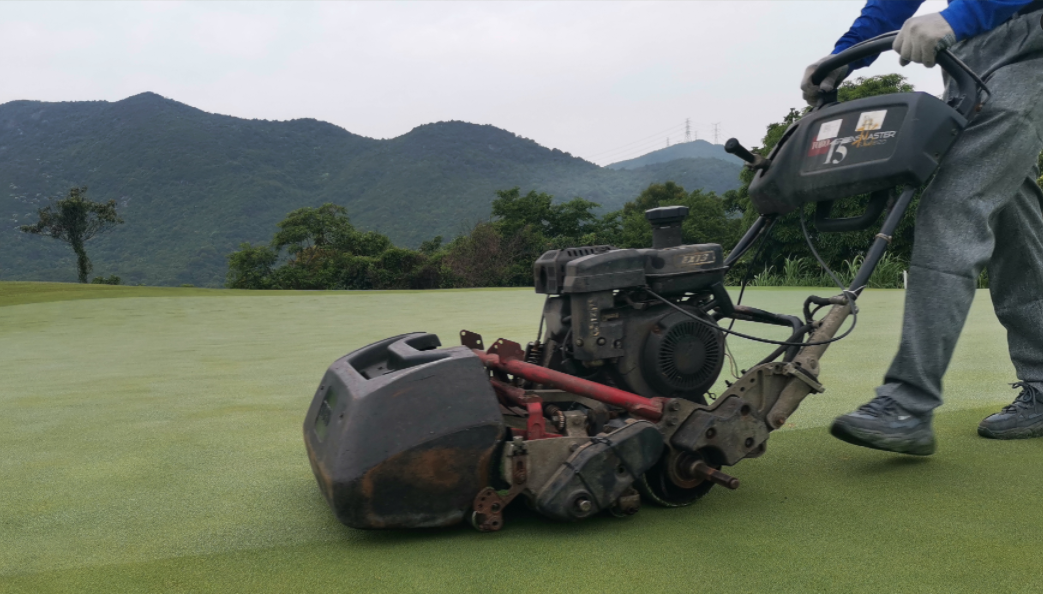
The Comprehensive Guide to Proper Lawn Mowing Techniques

1. Introduction
Lawn mowing is a fundamental aspect of lawn care that significantly impacts the health, appearance, and longevity of your grass. When done correctly, mowing promotes dense turf growth, prevents weed encroachment, and enhances the overall aesthetic appeal of your landscape. Conversely, improper mowing techniques can lead to a host of problems, including scalping, uneven growth, and increased susceptibility to pests and diseases. This report provides a detailed, data-backed guide to mowing your lawn the right way, covering everything from mower selection to seasonal maintenance.
2. Understanding Grass Types and Their Mowing Requirements
Different grass species have unique mowing needs. Understanding these requirements is the first step toward achieving a healthy lawn.
2.1 Cool-Season Grasses
Cool-season grasses, such as Kentucky bluegrass, fescue, and ryegrass, thrive in cooler climates and grow most actively in spring and fall. The recommended mowing height for these grasses is between 2.5 to 4 inches (6.35 to 10.16 cm). Taller grass blades help shade the soil, retain moisture, and prevent weed growth.
|
Grass Type |
Optimal Mowing Height (inches) |
Growth Peak Seasons |
|---|---|---|
|
Kentucky Bluegrass |
2.5 - 3.5 |
Spring, Fall |
|
Tall Fescue |
3 - 4 |
Spring, Fall |
|
Perennial Ryegrass |
2.5 - 3 |
Spring, Fall |
2.2 Warm-Season Grasses
Warm-season grasses, such as Bermuda grass, zoysia, and St. Augustine, flourish in warmer temperatures and grow most actively during summer. These grasses generally require shorter mowing heights, typically between 1 to 2.5 inches (2.54 to 6.35 cm).
|
Grass Type |
Optimal Mowing Height (inches) |
Growth Peak Seasons |
|---|---|---|
|
Bermuda Grass |
1 - 2 |
Summer |
|
Zoysia Grass |
1.5 - 2.5 |
Summer |
|
St. Augustine |
2 - 3 |
Summer |
3. Mowing Frequency and Seasonal Adjustments
Mowing frequency should be adjusted based on grass growth rates, which vary with seasons and weather conditions.
3.1 Spring and Fall (Cool-Season Grasses)
During peak growth seasons, cool-season grasses may need mowing once or twice a week. Avoid cutting more than one-third of the grass blade at a time to prevent stress.
3.2 Summer (Warm-Season Grasses)
Warm-season grasses grow rapidly in summer and may require mowing every 5-7 days. During drought periods, reduce mowing frequency to avoid stressing the grass.
3.3 Winter Dormancy
In winter, grass growth slows significantly. Reduce mowing frequency to once every 2-3 weeks or stop mowing entirely if the grass stops growing.
4. Mower Selection and Maintenance
Choosing the right mower and maintaining it properly are crucial for effective lawn mowing.
4.1 Types of Mowers
-
Reel Mowers: Best for small lawns with fine grass. Provide a clean cut but require manual effort.
-
Rotary Mowers: Suitable for most lawns. Available in push, self-propelled, and riding models.
-
Robotic Mowers: Ideal for large lawns. Programmable and energy-efficient but expensive.
4.2 Blade Maintenance
Dull mower blades tear grass, leading to brown tips and increased disease risk. Sharpen blades every 20-25 hours of use or at least twice per season.
5. Advanced Mowing Techniques
5.1 Alternating Mowing Patterns
Alternate your mowing direction (e.g., north-south one week, east-west the next) to prevent soil compaction and ensure even grass growth.
5.2 Grasscycling
Leave clippings on the lawn unless they form thick clumps. Grasscycling returns nutrients to the soil, reducing fertilizer needs by up to 25%.
6. Common Mowing Mistakes to Avoid
-
Scalping: Cutting grass too short, exposing soil to sunlight and heat.
-
Wet Mowing: Mowing wet grass can clog the mower and spread diseases.
-
Ignoring Blade Sharpness: Dull blades damage grass, making it more susceptible to pests.
7. Conclusion
Proper lawn mowing is a blend of science and practice. By understanding your grass type, maintaining the right mowing height, and following seasonal adjustments, you can achieve a lush, healthy lawn. Remember to keep your mower blades sharp, alternate mowing patterns, and avoid common mistakes to ensure your lawn remains vibrant year-round.
Selecting and maintaining the best grass varieties for a golf course
The Science of Fairway Maintenance: How Mutual's Golf Fertilizers Deliver Championship-Quality Turf
Related Article