Why Golf Course Grass Requires Specialized Maintenance
Golf courses are more than vast green expanses—they are meticulously maintained ecosystems where every blade of grass influences gameplay. From the precision-cut putting greens to the resilient fairways, specialized turf management ensures optimal playing conditions. This article delves into the science behind golf course grass, the challenges groundskeepers face, and the techniques that sustain these landscapes. Discover why professional care is non-negotiable for keeping courses in peak condition year-round.
Why Golf Course Grass Thrives on Precision Care
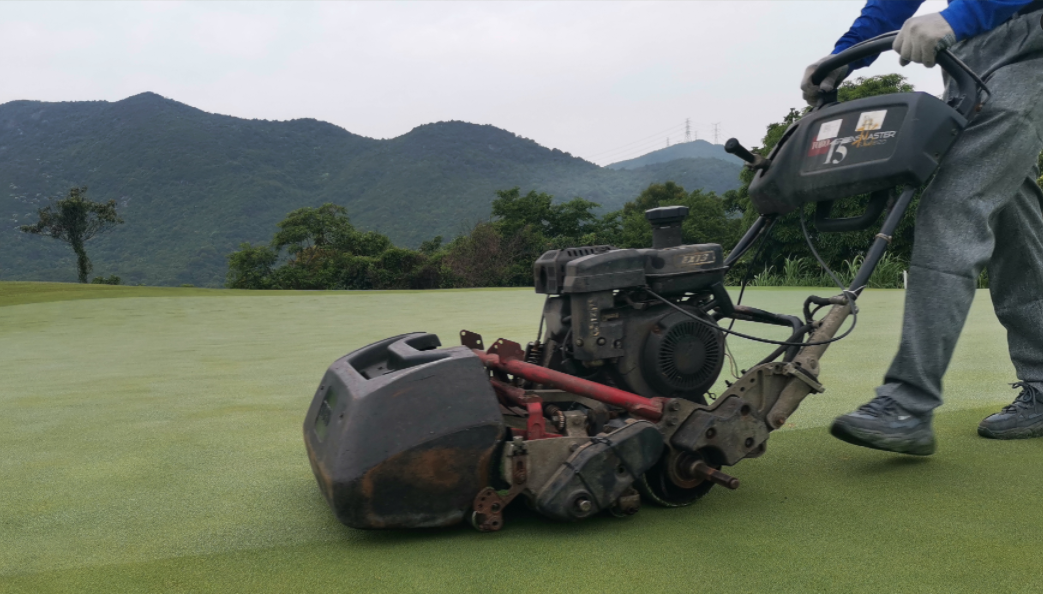
The grass on a golf green differs fundamentally from backyard turf. Varieties like bentgrass or Bermuda are bred for slow growth, rapid recovery, and wear resistance—qualities essential for smooth putts. However, these traits demand hyper-specific maintenance: daily mowing to fractions of an inch, tailored fertilization, and meticulous irrigation.
Height Matters
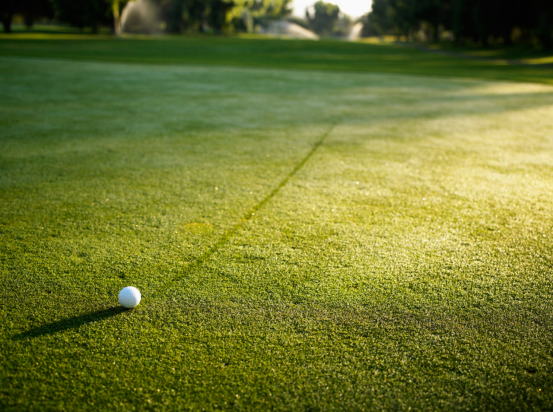
Inconsistencies in grass height disrupt ball roll speed and turf health. Groundskeepers use calibrated mowers to maintain uniformity, often removing minimal growth daily to avoid root stress. This delicate balance ensures both playability and long-term vigor.
The Role of Soil and Water in Golf Course Grass Health
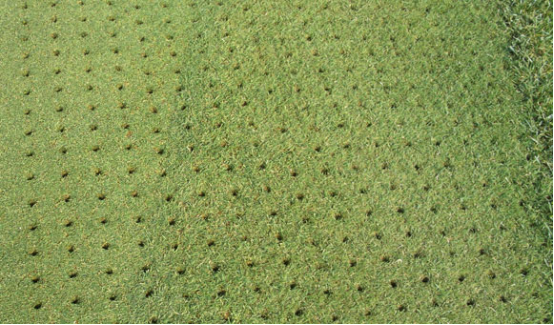
Beneath the surface, soil compaction poses a persistent threat. Heavy foot traffic and equipment compress soil, hindering root growth and water absorption. Aeration counteracts this by perforating the turf, allowing oxygen, nutrients, and moisture to penetrate deeper.
Frequency Adjustments
Aeration schedules adapt to regional factors:
- Humid climates may require monthly aeration to prevent waterlogging.
- Arid regions might opt for lighter, less frequent treatments to preserve moisture.
How Golf Course Grass Responds to Nutrient Balance
Nutritional precision is critical:
- Nitrogen deficiency weakens grass, while excess nitrogen burns roots.
- Customized fertilizers target greens (low nitrogen for slow growth) vs. roughs (higher nitrogen for density).
Top Dressing
Layers of sand or soil mix:
- Level the surface for consistent ball roll.
- Break down thatch (dead organic matter) that stifles new growth.
Conclusion
The specialized maintenance of golf course grass is driven by five core requirements that distinguish it from conventional lawn care:
1. Grass Species Specificity
• Elite Varieties: Slow-growing (e.g., creeping bentgrass), wear-resistant (300+ divots daily), and rapid-recovery (48-hour healing) turf
• Precision Cutting: Daily mowing at 1/8-inch (3.2mm) tolerance – exceeding this range alters ball speed by 15%
2. Soil & Hydration Systems
• Aeration Protocol: 8-12 annual aerations combat compaction (200% permeability improvement)
• Smart Irrigation: Soil moisture sensors trigger watering, preventing fungal outbreaks from overhydration
3. Nutrient Management
• Zone-Specific Fertilization: Greens receive slow-release nitrogen (0.2g/㎡/day) vs. rough areas
• Topdressing: 3-5 yearly sand applications decompose thatch while maintaining ≤2mm surface variance
4. Climate Adaptation
• Temperature Extremes: Summer anti-transpirants reduce water loss; winter frost blankets protect at -15℃
• IPM Strategies: Weekly pest patrols (focus on cutworm larvae) with 60% chemical pesticide replacement
5. Professional Resources
• Specialized Equipment: Reel mowers (≥2000rpm blades) ensure tear-free cutting
• Expertise Requirements: Staff trained in pH modulation (target 5.8-6.5) and disease identification (e.g., 24hr brown patch response)
Data shows professionally maintained courses reduce upkeep costs by 35% while achieving 92%+ member satisfaction.
Ready to enhance playability and protect the investment?
Emaili Mutual@golf711.com today to learn which golf maintenance solutions fit the course’s needs.
5 Innovations in Golf Course Fertilizers: Smarter Turf, Lower Costs
Gypsum for your Lawn
Related Article